1
Densatil project Densathil gDans-sa-mthil
 

I
I
I

 
a


We are seeking assistance with preparations for a "catalogue raisonné" and an exhibition aiming to reassemble the destroyed monuments 
of the famous Densatil monastery

We would very much appreciate photographs or informations about any pieces even small, burnt or damaged in private or pubic collections coming or reputed coming from this very important centre of tibetan art.


After reception of your pictures, we will send you a certificate of the inclusion in our "catalogue raisonné", and giving the informations which we can have on your object, as date of execution, or monument from which it is most probably coming from.


1
Jean-Luc Estournel
 
Diplomé de recherche
de l'Ecole du Louvre
 
Membre de la
Compagnie Nationale des Experts
 

You can send pictures or informations via E-MAIL
or by surface post at the following adress:

Jean - Luc Estournel
91, rue du Faubourg Saint-Honore
75008  Paris 
France


The following text had been first published in 1993.

Through new sources and documents we have since made many discoveries that will permit us to make some corrections and additions in a forthcoming publication.


1
 
     
photo R. Montmeat
 

a

The gDan-sa-mthil monastery (Densatil) was erected around the miserable mud and branch hut of the saint Phag-mo-gru-pa (1118 - 1170) during the second half of the 12th century. It is considered as thefirstgrent monastery of the bKa'-brgyud-pa school. It was prosperous thanks to the liberality of the rLangs family.

The rLangs used to install in this monastery abbots born in their clan using their spiritual supremacy this way in order to establish their temporal power while looking for their roots and origins back to the first tibetan kings (7th 9th centuries) on whose land they had settled.


In 1351, Byang-chab rgyal-mtshan, the hend of the family, taking advantage of the deliquescence of the Yuan dynasty managod to overwhelm the latter's allies (that is the Sa-skya-pa Tibetan school) and urged the Chinese emperor to give him a seul as a token of his power over Tibet as well as the new title of Taï-si-tu. After the fall of the last Yuan emperor he was named sDe-srid and he re-shaped the national unity through a large movement restoring the genuine tibetan culture and blurring out the chinese one. His successors took the title of Lha-btsun (King-god) and governed until 1481. During 130 yeors the power over Tibet both spiritual and temporal wielded between the palace of rTse-thang and the monastery of gDan-sa-mthil where only members of the rLangs family were in charge and called Phag-mo gru-pa.

a
Pillier ca 1390
 
Pillier ca 1390
a
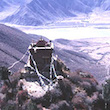
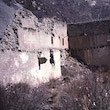
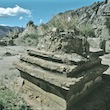
  Densatil. vue sur la vallée depuis le monastère. Photo. M. Koch 2002


The monastery of gDan-sa-mthil is famous all over Tibet for its relics and ornaments as well as the fabulous artistic treasures which have been accumulated along the centuries, especially the big stupas sheltering the mortal remains of the Lha-btsuns (King-gods).
 
a
Temple principal de Densatil . photo P.F.Mele 1948
 
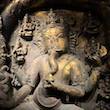
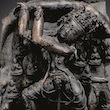
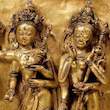
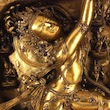
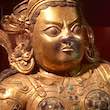
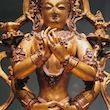
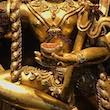
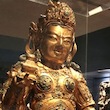
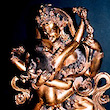
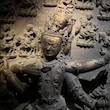
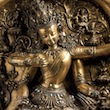
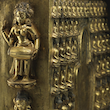
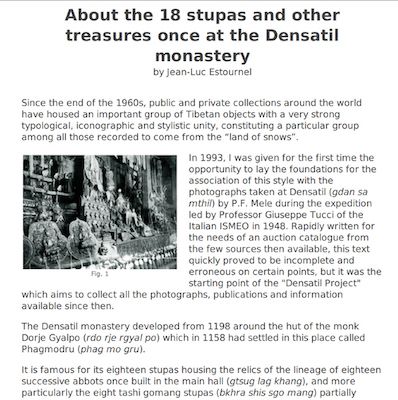
Very few foreigners were allowed to visit this holy place. What we know of it comes from the descriptions made by S.C. Das and G. Tucci, together with the pictures taken by P.F. Mele during the Tucci expedition in 1948. The amount of data supplied by these travelers and the Tibetan litterature allow us to know that there were eighteen big stupas. They were made of refined and preclous materials and the considerable number of niches of their outside walls were decorated with a vast variety of gods and deities which statues were made of gilt bronze inlaid with semi-precious stones.
 
a
Temple principal de Densatil . photo P.F.Mele 1948

The first of these stupas was erected between 1267 and 1270 by bCu-gnis rgyal-ba rin-chen rdo-rje, an abbot, considered as the reincarnation of Phag-mo-gru-pa.

Two others stupas (probably those described by Tucci as sheltering the remains of Phag-mo gru-pa) have been "covered up with gilt copper " around 1300, thanks to the Kings of Ladakh who gave money for this purpose.

Seven others stupas were built to shelter the remains of the Lha-btsun. Four of them have been erected between 1370 and 1400 and three others from 1440 to 1450 approximately.

A votive stupa called "sgo-mang" was erected in 1430

Two others stupas (one of which at least was silver made) were bnilt in 1434 and circa 1480 for the remains of the two gDung-rgyud dsin-pa


a
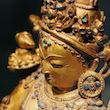
Buddhakapalla. fin 14°s
a
Pillier circa 1364
a

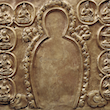
Plaque 16°-17° s

a
Plaque ca 1435-1450
 
The five remaining stupas must probably contained the relics of the five Mi-rje who died between 1564 and the middle of the 17th century.
 
   
A
A
Plaque ca 1445 photo: Etuded Loudmer
Plaque ca 1565-70. Photo Galerie Slim Bouchoucha
a
a
Plaque ca 1434-35. photo R. Montmeat
Plaque ca 1445. photo R. Montmeat
   
 
a
Temple principal de Densatil . photo P.F.Mele 1948
 

The Monastery of gDan-sa-mthil, an artistic, historical and spiritual landmark was totally destroyed during the events which took place in Tibet in the sixties.

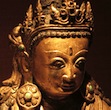
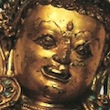
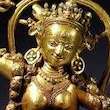
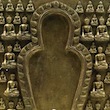
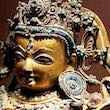
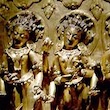
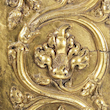
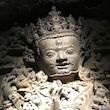
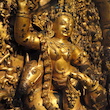
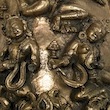
Since then, many fragments and pieces from the big stupas are kept in collections worldwide. The exceptional quality of these works made especially for the Lha-btsuns by the very best artists from Nepal who most certainly had worked at the court of the last Yuan Emperors, and the first Mings, has more than once brought a problem of classification. In fact, they are the peak of Tibetan art, but have often been classified as nepalese or chinese. 

 
a
Temple principal de Densatil . photo M. Koch 2002

 
A
A
A
A
 
A
Densatil. vues générales. Photos M. Koch. 2002

A
A
A
Plaque 15° s Photo Galerie Slim Bouchoucha
Corniche 14°-15° s Photo Galerie Slim Bouchoucha
Plaque 16°-17° s Photo Galerie Slim Bouchoucha
Projet Densatil.  Textes et Images  (c) J.L.Estournel - 1993-2010
 

<